

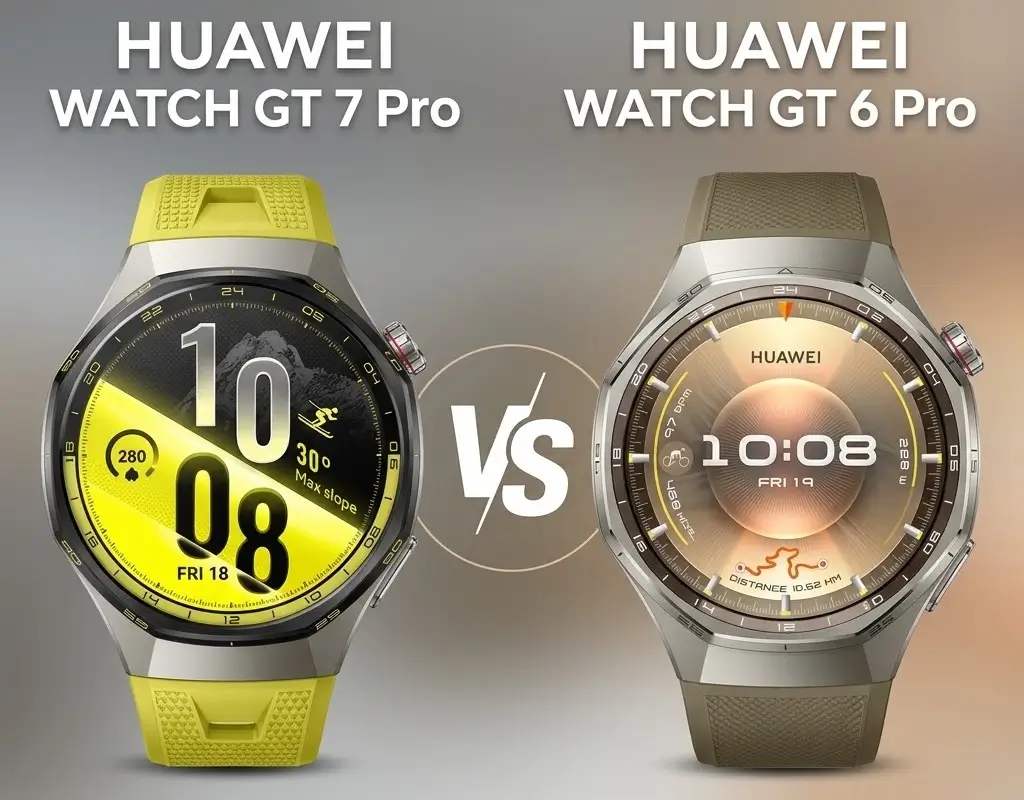
Huawei’s Watch GT 7 Series builds on the success of the Watch GT 6 family with updated sports features, new health insights, and better endurance during GPS-intensive activities. However, the changes are not as dramatic as the new model numbers might suggest.
Both generations offer AMOLED displays with peak brightness of up to 3,000 nits, long battery life, and a wide range of fitness features. Their designs are also very similar.
So, is the Huawei Watch GT 7 worth buying over the GT 6? And should existing GT 6 Pro owners consider upgrading?
At Wearable Fans, we started following the GT 7 story before Huawei’s official announcement. In July 2026, we discovered three unreleased model entries in Indonesia’s regulatory certification database. We later covered the official launch in August.
In this comparison, we look at the standard and Pro models, focusing on their actual differences rather than assuming the newer generation is automatically better.
Huawei Watch GT 7 vs GT 6: Key specifications
| Feature | Watch GT 7 | Watch GT 7 Pro | Watch GT 6 | Watch GT 6 Pro |
|---|---|---|---|---|
| Generation | 2026 | 2026 | 2025 | 2025 |
| Case size | 46 mm or 41 mm | 45.6 mm | 46 mm or 41 mm | 45.6 mm |
| Case material | Stainless steel | Titanium alloy | Stainless steel | Titanium alloy |
| Display | 1.47 or 1.32-inch AMOLED | 1.47-inch AMOLED | 1.47 or 1.32-inch AMOLED | 1.47-inch AMOLED |
| Resolution | 466 × 466 pixels | 466 × 466 pixels | 466 × 466 pixels | 466 × 466 pixels |
| Peak brightness | Up to 3,000 nits | Up to 3,000 nits | Up to 3,000 nits | Up to 3,000 nits |
| Sapphire glass | Not on standard models | Yes | Not on standard models | Yes |
| Maximum everyday battery estimate | 21 days (46 mm); 14 days (41 mm) | Up to 21 days | 21 days (46 mm); 14 days (41 mm) | Up to 21 days |
| Typical battery estimate | 12 days (46 mm); 7 days (41 mm) | Up to 12 days | 12 days (46 mm); 7 days (41 mm) | Up to 12 days |
| GPS-intensive sports estimate | Up to 51 hours (46 mm); 32 hours (41 mm) | Up to 51 hours | Up to 40 hours (46 mm); 25 hours (41 mm) | Up to 40 hours |
| ECG | No | Yes | No | Yes |
| Depth sensor | No | Yes | No | Yes |
| Newer health analysis | Yes | Yes | Earlier feature set | Earlier feature set |
| Newer sports features | Yes | Yes | Earlier feature set | Earlier feature set |
| Wireless charging | Yes | Yes | Yes | Yes |
The table shows that Huawei has retained much of the existing hardware. The biggest changes are in sports software, health analysis, and published battery endurance during certain outdoor activities.
My reporting journey: Discovering the GT 7 before launch
The story began before Huawei officially introduced the new watches.
On July 25, 2026, I published an exclusive report on Wearable Fans after finding three unreleased Huawei smartwatch entries in Indonesia’s SDPPI certification database. The records were associated with PT Huawei Tech Investment.
The model numbers were NSU-B39, TUM-B39, and TUM-B49, which I identified in my report as the smaller Watch GT 7, the larger GT 7, and the GT 7 Pro.
You can read the original report here: Huawei Watch GT 7 Series Spotted in Official Certification Database.
Regulatory records can provide early evidence that a device is moving through a certification process, but they do not confirm every final specification or retail price. That is why the next step was to check Huawei’s official product information.
On August 5, 2026, I published a follow-up covering Huawei’s official launch announcement: Huawei Officially Launches the Watch GT 7 and GT 7 Pro.
That reporting journey provides useful context for this comparison. The early database discovery helped identify the upcoming devices, while the official announcement provided the information needed to examine what had actually changed.
Design and display: No major change in brightness
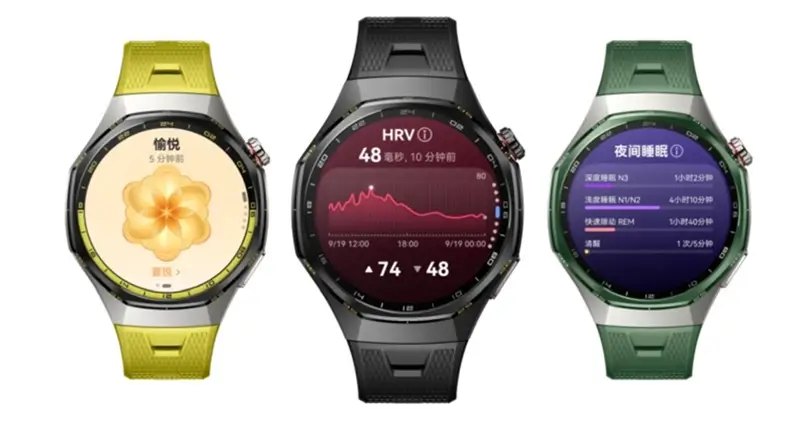
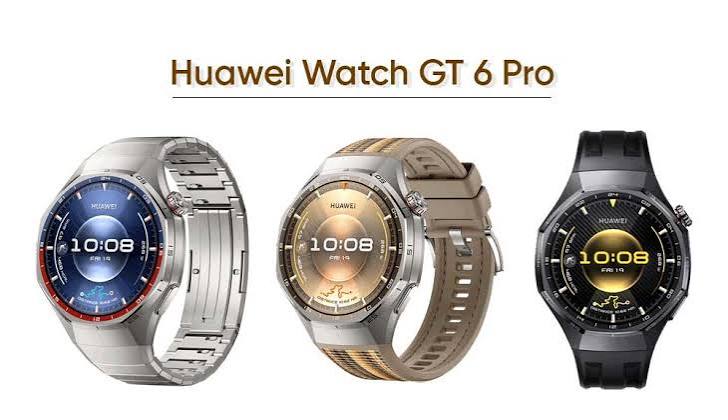
Huawei has kept the familiar round design, rotating crown, and physical side button. The standard models use stainless steel, while the Pro versions feature titanium alloy and sapphire glass.
The physical dimensions are also very similar. The GT 7 and GT 6 46 mm models measure 46 × 46 × 10.95 mm, while the smaller models measure 41.3 × 41.3 × 9.99 mm.
The most important display detail is that the GT 7 is not advertised as having a brighter screen than the GT 6.
| Display feature | GT 7 | GT 6 |
|---|---|---|
| Panel | AMOLED | AMOLED |
| Peak brightness | Up to 3,000 nits | Up to 3,000 nits |
| Small screen | 1.32 inches | 1.32 inches |
| Large screen | 1.47 inches | 1.47 inches |
| Resolution | 466 × 466 pixels | 466 × 466 pixels |
The same advertised brightness applies to the Pro models. While real-world display performance can differ in ways that peak brightness alone cannot explain, the published figures do not establish a brightness advantage for the GT 7.
For GT 6 owners, the display is not a strong reason to upgrade. Buyers choosing their first Huawei GT watch should focus more on wrist size, comfort, and price.
Battery life: Better endurance for some outdoor activities
Battery life remains a major strength of both generations.
| Battery estimate | GT 7 46 mm | GT 6 46 mm | GT 7 41 mm | GT 6 41 mm |
|---|---|---|---|---|
| Maximum/light use | 21 days | 21 days | 14 days | 14 days |
| Typical use | 12 days | 12 days | 7 days | 7 days |
| Always-On Display | 7 days | 7 days | 5 days | 5 days |
| Published GPS sports estimate | 51 hours | 40 hours | 32 hours | 25 hours |
For everyday use, the published battery estimates are essentially unchanged. Both generations can last up to 21 days under light-use conditions in the larger standard models.
The difference appears in the published endurance figures for GPS-intensive activities. The GT 7 has a higher estimated duration in trail-running mode than the GT 6’s outdoor sports mode.
This may interest trail runners and people who record long outdoor workouts. However, it does not prove that every user will experience the same improvement. GPS use, screen settings, notifications, and health monitoring all affect battery life.
Health and sports tracking: Where the GT 7 adds value
Both generations offer heart-rate monitoring, blood oxygen measurements, sleep tracking, and other wellness features. The Pro models add ECG and a depth sensor.
The GT 7 generation builds on this foundation with updated health analysis, including TruSleep 5.0 and a body-readiness assessment. It also offers a high blood sugar risk assessment in supported markets.
This feature is not a direct blood glucose measurement, and it should not be treated as a medical diagnosis.
The GT 7 also expands its sports features. Depending on the model, these include native running-power measurements, updated cycling tools, golf features, and specialised skiing information on the Pro.
The GT 6 already supports multiple sports and dual-band satellite positioning. Therefore, it would be inaccurate to suggest that the GT 7 introduces advanced GPS positioning.
The more meaningful difference is the combination of updated training tools and longer published endurance during certain GPS-intensive activities.
For casual walkers and runners, the GT 6 may remain sufficient. More serious outdoor athletes may find the GT 7’s additional features useful.
GT 7 Pro vs GT 6 Pro: Is the upgrade worth it?
The Pro models share many important specifications, including titanium construction, sapphire glass, a 1.47-inch AMOLED display, ECG, and a depth sensor.
| Feature | GT 7 Pro | GT 6 Pro |
|---|---|---|
| Case dimensions | 45.6 × 45.6 × 11.25 mm | 45.6 × 45.6 × 11.25 mm |
| Display brightness | Up to 3,000 nits | Up to 3,000 nits |
| Maximum battery estimate | 21 days | 21 days |
| Typical battery estimate | 12 days | 12 days |
| ECG and depth sensor | Yes | Yes |
| Main advantage | Newer health and sports tools | Potentially better value at a discount |
The GT 7 Pro is more attractive if you want the latest training and health features. The GT 6 Pro remains competitive if you mainly use ECG, sleep tracking, navigation, and everyday fitness tools.
There is no need for existing GT 6 Pro owners to upgrade simply because a new model is available.
Price and value: Which watch makes more sense?
Prices vary by country, retailer, and configuration. The GT 6 may be available at a discount, while the GT 7 costs more as a newer model.
Rather than comparing prices from different countries, check the current local price of the exact watch you want. Include the size, strap, warranty, and whether you are buying the standard or Pro version.
If the price difference is small, the GT 7 may be the better option because it offers newer sports and health features. If the GT 6 is considerably cheaper, it may provide better value because its display, design, and everyday battery estimates remain competitive.
Final verdict: Should you buy the Huawei Watch GT 7 or GT 6?
The Huawei Watch GT 7 Series is an evolution of the GT 6 rather than a complete redesign. Its most meaningful improvements are in sports features, health analysis, and published endurance during GPS-intensive activities.
The GT 6 Series remains a strong alternative. Both generations advertise up to 3,000 nits of display brightness, and their headline everyday battery estimates are similar.
For new buyers, the decision comes down to price and the features they will actually use. For existing GT 6 owners, upgrading makes sense if the newer sports or health tools offer a clear benefit.
My reporting journey, from finding the GT 7 model numbers in Indonesia’s certification database to covering the official launch, is also a reminder of why product comparisons should rely on confirmed information rather than launch hype.
My recommendation: Choose the GT 7 if you want its newer sports and health features. Choose the GT 6 if you find it at a better price and its existing capabilities already meet your needs.

